

Debt can be a useful tool for growth, but when life takes an unexpected turn, it can quickly become a suffocating weight. In India, the pressure to maintain EMIs while managing rising living costs often leaves borrowers in a vulnerable position. When the numbers no longer add up, many wonder: “Should I handle this myself, or is it time to seek help?”
Opting for professional settle loan services is a major decision. It isn’t just about getting a discount; it is about navigating a complex legal and financial minefield. This blog explores the specific scenarios where hiring loan settlement services is the most strategic move for your financial survival.
1. When Recovery Tactics Cross Legal Boundaries
One of the most common reasons Indians seek settle loan services is to put an end to aggressive recovery practices. While banks have a right to ask for their money, the Reserve Bank of India (RBI) has strict guidelines prohibiting harassment, intimidation, or calls at odd hours.
If you are facing constant threats or social embarrassment from recovery agents, professional services act as a legal shield. They take over all communication with the lender, ensuring that the process remains professional and strictly adheres to the RBI’s Fair Practice Code.
2. When You Are Facing a “Genuine Hardship”
A loan settle is not an easy way out for someone who simply doesn’t want to pay. Banks only agree to a settlement when they realize the borrower truly cannot pay. Professional agencies help you identify if your situation qualifies as “Genuine Hardship.” This includes:
- Permanent Disability: If an accident has rendered you unable to work.
- Medical Emergencies: High-cost treatments for terminal or chronic illnesses.
- Job Loss or Business Failure: A total loss of income with no immediate prospect of recovery.
In these cases, loan settlement services help you document your crisis in a way that the bank’s credit committee will accept, increasing your chances of a successful waiver.
3. When Your Debt is “Unsecured” and Out of Control
Loan settlement is most effective for unsecured debts, such as personal loans and credit card dues. Because there is no collateral (like a house or car) for the bank to seize, they are often more willing to negotiate a settlement to recover at least a portion of the principal.
If your credit card interest is compounding at 36% to 48% per annum, you are likely in a “debt trap” where your payments only cover the interest, and the principal never decreases. At this stage, professional intervention is necessary to freeze the interest and negotiate a one-time settlement.
4. When You Lack Negotiation Leverage
Negotiating with a multi-billion dollar bank is an uneven battle. Individual borrowers often don’t know the “bottom line” of a bank’s recovery department. On the other hand, professional loan settlement services handle thousands of cases. They know:
- Which banks are currently aggressive about clearing their Non-Performing Assets (NPAs).
- The maximum “haircut” (discount) a specific lender is likely to offer.
- The best time of the month or year (usually quarter-ends) to pitch a settlement.
5. When You Need to Avoid Legal Litigation
If a loan remains unpaid for a long period, banks may initiate legal proceedings under Section 138 of the Negotiable Instruments Act (for bounced checks) or the SARFAESI Act (for secured assets).
By the time a legal notice arrives, the window for a friendly negotiation is closing. Opting for loan settlement services at this stage can help you reach an out-of-court agreement, saving you from years of expensive and stressful litigation in Indian courts.
The Trade-Off: Understanding the “Settled” Status
Before you decide to settle loan accounts, you must be aware of the impact on your credit. A settlement will be reported to CIBIL as “Settled,” which:
- Reduces your credit score significantly.
- Remains on your record for 7 years.
- Makes it difficult to get new loans in the near future.
However, if your alternative is “Defaulting,” a settlement is the lesser of two evils. It provides a definitive “No Dues Certificate” and stops the legal and mental burden of unpaid debt.
Conclusion
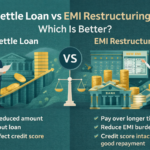
Choosing to settle loan obligations via professional experts is a path for those who have reached the end of their financial rope. If you are struggling with a temporary cash flow issue, EMI restructuring might be better. But if your financial situation has changed permanently, professional loan settlement services provide the expertise, legal protection, and negotiation power needed to hit the reset button.
It allows you to trade a temporary dip in your credit score for permanent mental peace and a debt-free future.