

In the current financial landscape of 2026, many Indian borrowers find themselves caught in a cycle of mounting debt. Whether it is due to an unexpected medical emergency, business volatility, or job instability, falling behind on EMIs can feel like an inescapable trap. However, there is a structured, legal pathway to reclaim your financial freedom: the process to settle loan accounts.
While banks often portray debt as an absolute, non-negotiable obligation, the reality is that lenders are businesses. When they realize a borrower is in genuine distress, they are often willing to negotiate a “haircut” to recover at least a portion of the principal. To navigate this successfully, you need the right strategy and, ideally, the guidance of a settle loan expert.
What Does it Mean to Settle Loan Dues?
A loan settlement is an agreement between the borrower and the lender where the bank agrees to accept a one-time lump-sum payment that is significantly less than the total outstanding amount (principal + interest + penalties). Once this payment is made, the bank marks the account as “Settled” and ceases all recovery actions.
It is crucial to distinguish between “closing” a loan and “settling” a loan. Closing means you paid back every rupee agreed upon. To settle loan accounts means you paid a fraction. While settlement offers immediate relief, it does impact your CIBIL score, which is why a settle loan expert is essential to help you manage the long-term credit implications.
The Strategic Window: When to Negotiate
Banks rarely offer settlements to borrowers who are still making regular payments. The leverage for a borrower begins once the account reaches Non-Performing Asset (NPA) status. In 2026, this typically occurs after 90 days of non-payment.
A settle loan expert will tell you that the “Golden Window” for negotiation usually opens between 6 to 12 months of default. During this time, the bank has already classified the loan as a loss and is under pressure to clean its balance sheet. If you approach them during quarterly or annual closures (the “March Rush”), you can often secure waivers ranging from 50% to 75% of the total outstanding amount.
Step-by-Step Guide to the Settlement Process
1. Proof of Genuine Hardship
To settle loan debt for the minimum possible amount, you must prove “Inability to Pay,” not “Unwillingness to Pay.” An expert will help you compile a “Hardship Portfolio” containing:
- Medical records or disability certificates.
- Termination letters or bank statements showing a loss of income.
- Proof of other liabilities.
2. The Negotiation Phase
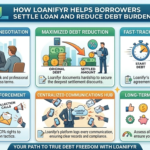
Negotiating with bank nodal officers requires a calm, data-driven approach. This is where a settle loan expert adds the most value. They understand the bank’s internal “bottom-line” figures and can counter aggressive recovery tactics with RBI-compliant legal arguments.
3. Securing the OTS Sanction Letter
Never make a payment based on a verbal promise from a recovery agent. You must receive an official One-Time Settlement (OTS) Sanction Letter on the bank’s letterhead. A settle loan expert will vet this document to ensure it includes a “Full and Final” clause and a commitment to withdraw any active legal cases (like Section 138 or SARFAESI notices).
4. Payment and the NDC
Once the payment is made, ensure you receive a No Dues Certificate (NDC). This is your final legal shield, proving that you no longer owe the bank anything for that specific account.
Comparison: DIY Settlement vs. Expert Intervention
| Feature | DIY Attempt | Expert Settle Loan Services |
| Average Waiver | 10% – 25% | 50% – 75% |
| Harassment Control | High Stress | Professional Firewall |
| Legal Vetting | Prone to Loopholes | Water-tight Documentation |
| CIBIL Strategy | None | 24-Month Rebuilding Plan |
Avoiding Bank Harassment
One of the biggest benefits of working with a settle loan expert is the immediate cessation of harassment. Under 2026 RBI guidelines, once a borrower is represented by a professional service, the bank must direct all communication to that representative. This prevents recovery agents from calling your family, neighbors, or workplace, allowing you to settle loan obligations with your dignity intact.
Rebuilding Your Credit Score
After you settle loan dues, your CIBIL score will take a temporary hit. However, a settle loan expert doesn’t just leave you there. They provide a roadmap for credit restoration—using secured credit products and timely small repayments to bring your score back to 750+ within 18 to 24 months.
Conclusion: Take the First Step Today
Debt is a financial obstacle, not a life sentence. In 2026, you have more legal and strategic options than ever before. By choosing to settle loan accounts professionally, you can end the cycle of interest and penalties and start a new chapter.
Don’t let the recovery calls dictate your life. You can settle loan debt and reclaim your peace of mind. Visit Settle Loan 360 today for a free, confidential assessment of your situation. Let a dedicated settle loan expert negotiate on your behalf to secure the highest waiver and the strongest legal protection. Take the first step toward a debt-free future and visit settle loan services now. Remember, with a settle loan expert in your corner, you are never fighting the banks alone. Reclaim your future and settle loan debt once and for all.