

In the evolving financial landscape of 2026, debt is no longer a taboo, but managing it poorly can lead to a lifetime of financial exclusion. With the RBI’s 2026 Fair Practice Code in full effect, borrowers now have more rights than ever. However, the question remains: Can you settle loan obligations legally without permanently destroying your creditworthiness?
The short answer is yes—but it requires a surgical approach, precise timing, and professional mediation. Here is the blueprint for a legal settlement that protects your future.
1. Understanding the Legal Definition of “Settlement”
In India, a loan settlement is a non-judicial agreement where the lender agrees to accept a lump sum that is less than the total outstanding amount (Principal + Interest + Penalties). This is officially termed a One-Time Settlement (OTS).
When you settle loan accounts, the bank classifies the remaining unpaid portion as a “haircut” or loss. Legally, this closes the account and prevents the bank from taking further civil or criminal action against you.
2. Timing Your Settlement for Maximum Leverage
A bank will not negotiate if they believe they can still recover the full amount through standard EMIs. To settle loan accounts legally, the account usually needs to reach the NPA (Non-Performing Asset) stage, which occurs after 90 days of non-payment.
However, the “sweet spot” for negotiation is often between 120 to 180 days of default. During this window, banks are eager to clean their balance sheets and are more likely to offer significant waivers of 40% to 70%.
3. The “Legal Shield” Strategy: Stopping Harassment
One of the biggest fears for borrowers is the aggressive recovery process. Under the 2026 RBI Guidelines, you have the right to appoint a representative to handle your case.
By using professional services to settle loan debts, you can issue a formal notice to the bank stating that all technical and legal communication should be directed to your authorized consultant. This effectively stops workplace harassment and late-night calls, allowing the negotiation to happen in a civilized, legal environment.
4. How to Minimize Credit Score Damage
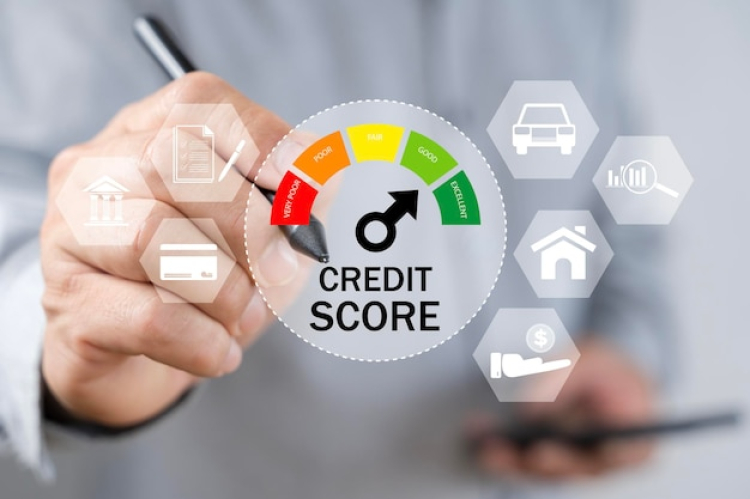
It is a myth that a settlement “ruins” your credit score forever. While it does result in a temporary dip (typically 75–125 points) and a “Settled” remark on your CIBIL report, it is far better than a “Default” or “Suit Filed” status, which bleeds your score every single month.
To protect your score while you settle loan accounts:
- Avoid Partial Payments: Never pay small “token” amounts without an OTS letter; this resets the default clock without improving your score.
- The “Settled to Closed” Upgrade: Some experts can negotiate a “Structured Closure” where, after a period of time, you pay a small additional amount to change the status from “Settled” to “Closed.”
- Post-Settlement Rebuilding: Immediately after receiving your No Dues Certificate (NDC), start rebuilding your score using a secured credit card (against an FD).
5. The 5-Point Legal Checklist for a Safe Settlement
To ensure your settle loan process is ironclad and won’t haunt you in 2027 or beyond, follow this checklist:
- Hardship Documentation: Document your job loss, medical emergency, or business failure. This proves you are not a “Willful Defaulter.”
- Official OTS Letter: Never pay a rupee based on a phone call. Demand a formal letter on the bank’s letterhead via their official email.
- Full & Final Clause: Ensure the letter explicitly mentions that the payment will be treated as “Full and Final Settlement of all dues.”
- Digital Payment: Only pay through official bank channels (NEFT/RTGS/IMPS). Avoid cash or third-party payments.
- No Dues Certificate (NDC): This is your most important document. Ensure the bank issues this within 30 days of payment.
6. Why DIY Settlement is Risky
Many borrowers try to settle loan accounts themselves but fall into the “Interest Adjustment Trap.” Recovery agents often trick borrowers into paying a “settlement amount” that the bank later classifies merely as a partial payment of interest, leaving the principal untouched and the debt active.
Professional mediation ensures that the bank’s internal systems are updated correctly and that your legal rights under the 2026 Fair Practice Code are upheld.
Conclusion: A New Financial Beginning
Settling a loan is a strategic decision to trade a short-term credit dip for long-term financial freedom. In the 2026 economy, being debt-free is the ultimate asset. By following a legal path and using an expert-led strategy to settle loan obligations, you can close your old chapters and start fresh with a clean slate and a clear mind.
Don’t let the fear of a credit score prevent you from escaping a debt trap. With the right rebuilding strategy, your score can return to the 750+ range within 18 to 24 months of a settlement.